Leprosy Champions and Hubs of Hope – how The Leprosy Mission has supported communities in Mozambique
As The Leprosy Mission’s UK Aid Match project comes to a close, almost 3,000 people in remote communities in Northern Mozambique have received the care and treatment needed to cure their leprosy.
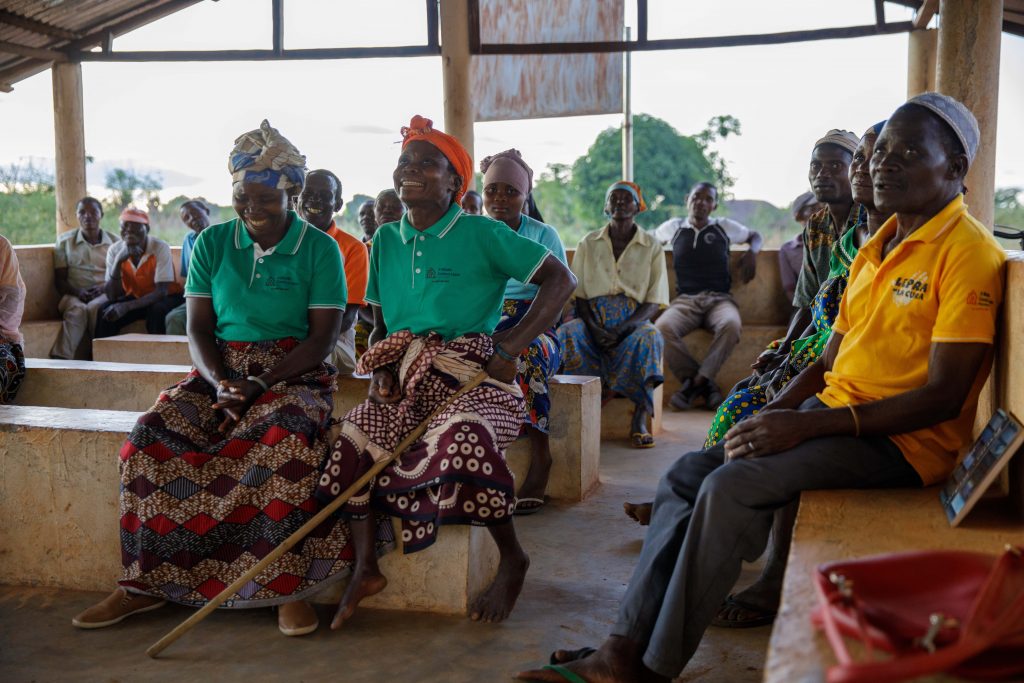
Photograph: Leprosy Champions and communities members at a Hub of Hope. Credit: Ricardo Franco
With funds raised through their UK Aid Match appeal in 2021, The Leprosy Mission has supported local Leprosy Champions to recognise the early signs of leprosy and refer people for treatment, established 22 Hubs of Hope to create a safe and inclusive space for people affected by leprosy, and empowered farmers to become more climate-resilient.
In remote communities in Mozambique, people with leprosy often face deep-rooted stigma and discrimination, sometimes they are even banished from their communities, despite leprosy being curable. Through the project, 807 volunteers – called Leprosy Champions – have been trained in leprosy detection, meaning they are able to refer people for treatment before disability sets in. Not only do they support patients throughout their leprosy journey, but they educate their community about leprosy, challenging attitudes and fostering understanding and acceptance.
Meet Monihia
A mother of three, Monihia first noticed discoloured patches appearing on her skin and sought help from a traditional healer in her community. Luckily, this healer had been trained as a Leprosy Champion, so was able to spot the signs of leprosy and refer Monihia to her local health post for treatment.
“I was the first person in my community to be diagnosed with leprosy. I didn’t know I had the disease and didn’t understand what was happening to me. I’m so thankful someone knew what was wrong and I was cured.” Monihia.
Hubs of Hope
Today, Monihia finds support and connection at her village ‘Hub of Hope’ – a welcoming community centre that is often the only place in the village with electricity and internet access. Across Cabo Delgado and Zambezia provinces, 22 Hubs have been established, serving as self-care groups where over 1,700 people affected by leprosy join each week. At the Hubs they check each others feet for cuts and grazes, and clean and bandage any wounds to prevent infection. For people with leprosy it is difficult to feel pain in their feet, so making sure injuries are treated and don’t escalate is the best way of preventing disability in the future. Leprosy Champions can also be found at the Hubs, ready to check for suspecting leprosy, offer support, and refer people for treatment.
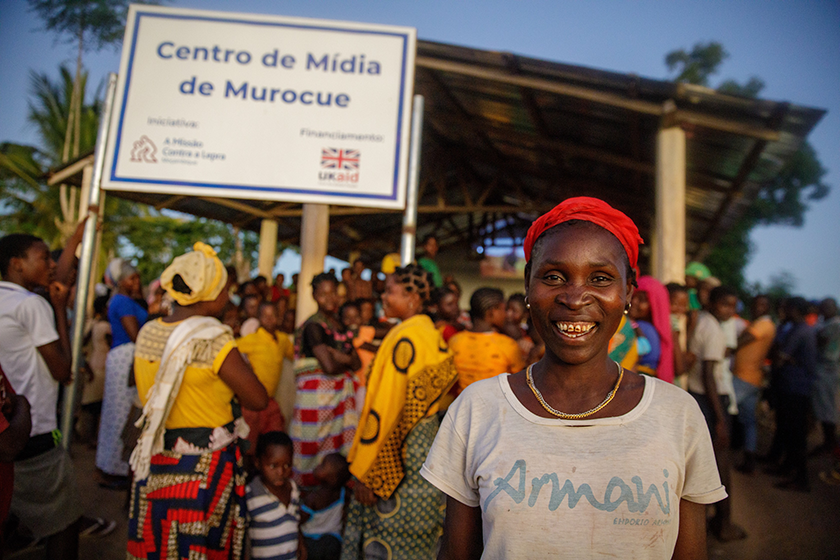
Photograph: Monihia is pictured outside a Hub of Hope, known locally as a media centre, in Cabo Delgado, Mozambique. Credit: Ricardo Franco
Climate-resilient farming
The Hubs have also become centres of community and resilience. Recognising the growing threat of climate change, which has brought frequent cyclones and crop losses, the project has trained local farmers in sustainable, diversified agriculture. Farmers like Monihia have learned to grow a wider range of crops, such as beans, to improve food security and reduce reliance on a single harvest. Many farmers have also begun selling surplus produce, earning additional income to support their families.
For Monihia, farming has brought not only food and financial stability, but also a sense of purpose and belonging. She and other farmers have joined together to create a community farm, where they grow crops together, and support and teach one another.
Through the dedication of local Leprosy Champions and Hubs of Hubs, people once isolated by leprosy feel welcomed and communities are becoming stronger and more resilient.
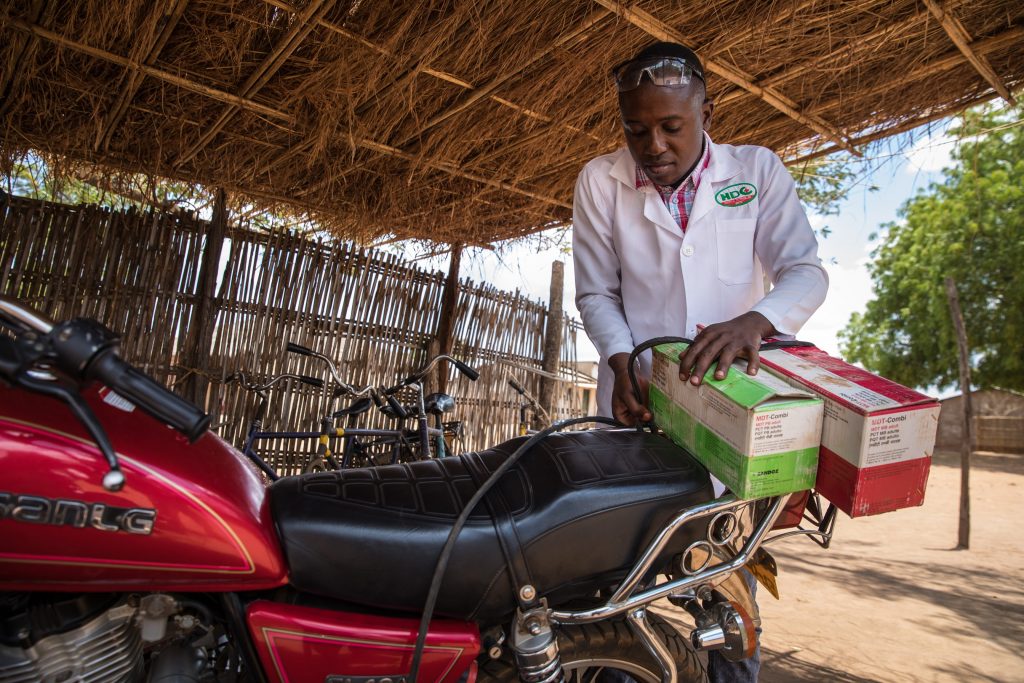
Photograph: Gabriel, a government health worker who has been trained to diagnose leprosy and prescribe the antibiotic cure. He travels huge distances on his motorbike to reach rural communities like Monihia’s. Credit: Ricardo Franco
For more information on the project please visit The Leprosy Mission’s website.
